Create my Celebration
I am a Vendor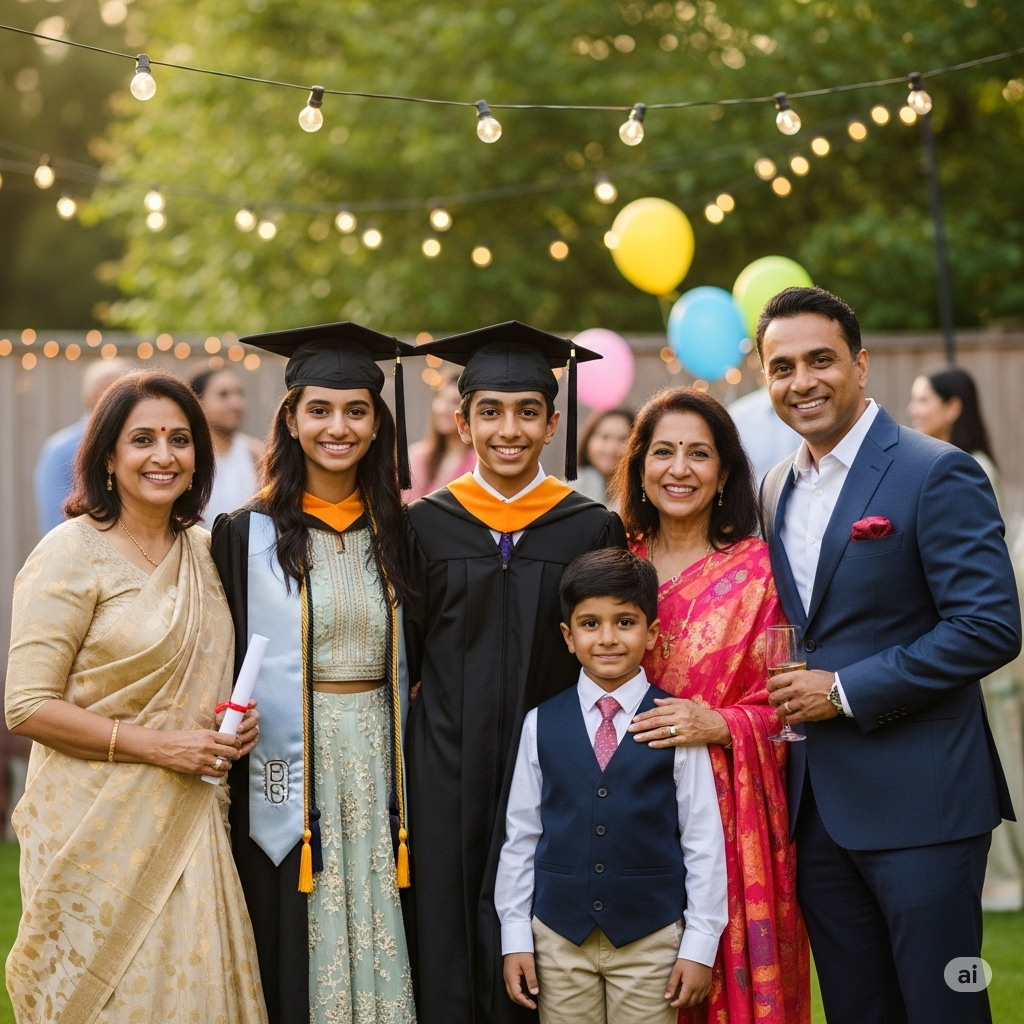
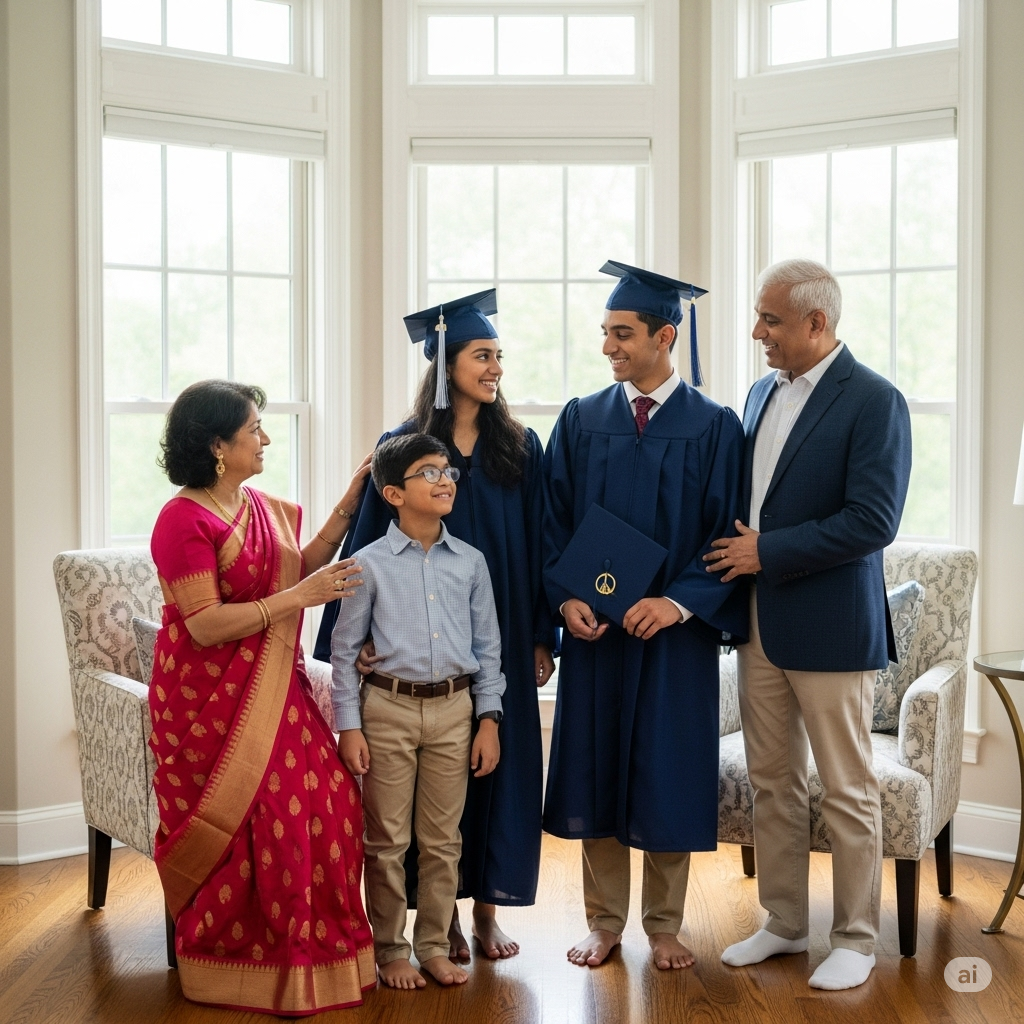
For many South Asian-American families, graduation is more than a cap-and-gown affair. It's a profound cultural milestone that bridges generations, honors sacrifice, and symbolizes dreams fulfilled. As families adapt to American customs, they are infusing graduation with the emotional and spiritual richness that defines South Asian traditions.
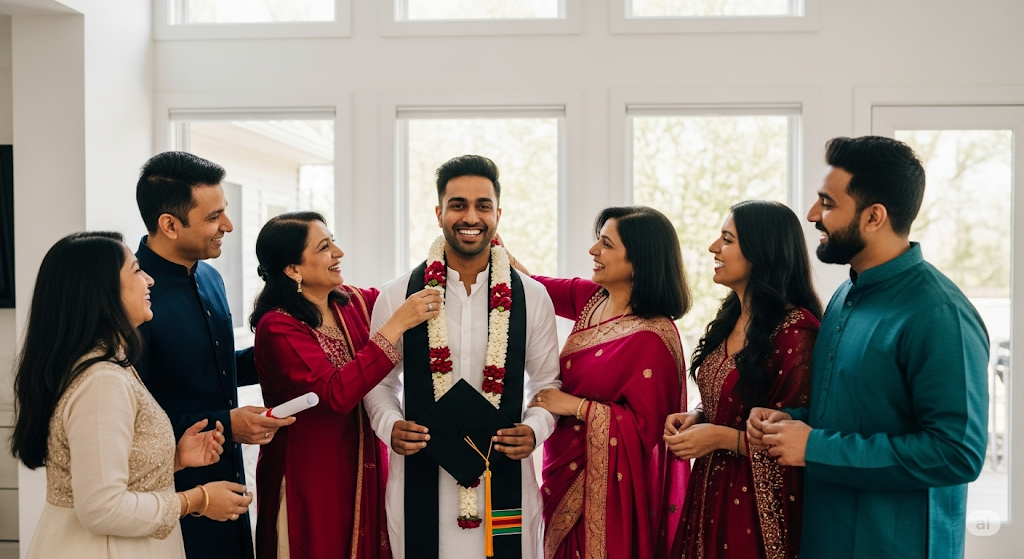
Graduation often represents the culmination of decades of perseverance. For immigrant parents and grandparents, it's a moment of arrival—one where years of hard work, long hours, and unspoken dreams are realized through their children. It's not just academic; it's deeply personal. In Tamil, Hindi, Gujarati, or Bengali, you'll hear a version of: "Your success is our blessing." Elders perform simple but heartfelt rituals: aarti before the ceremony, garlanding the graduate with flowers, or whispering a Sanskrit mantra for protection and wisdom.
A short puja at home where the graduate receives tilak, sweets, and blessings from elders.
Displaying photos from each school year with small notes—"1st grade spelling bee champ" or "learned to ride a bike." These are reminders of the full journey.
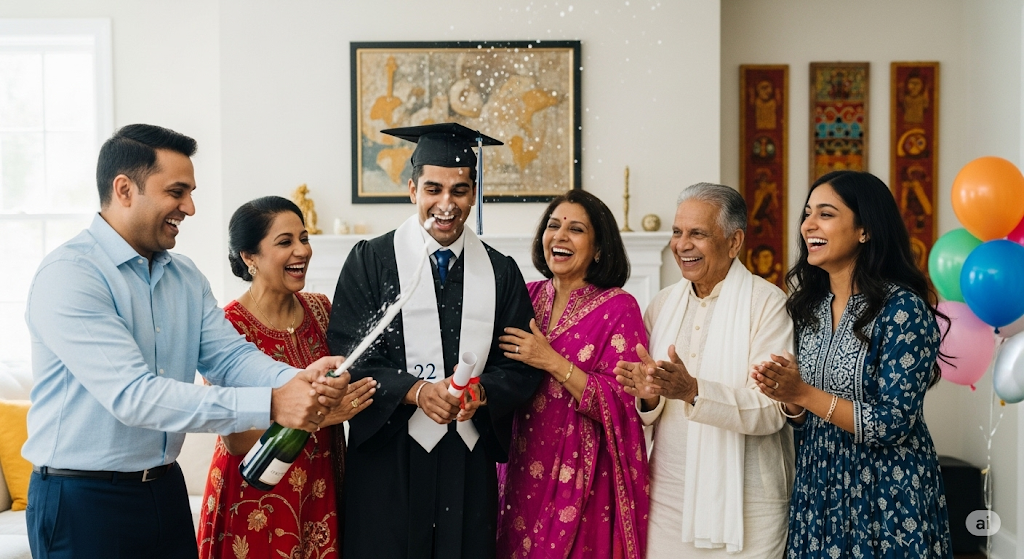
Teens proudly wear lehengas, kurtas, or sherwanis under their gowns for the ceremony, often captured in photos that speak to dual identity.
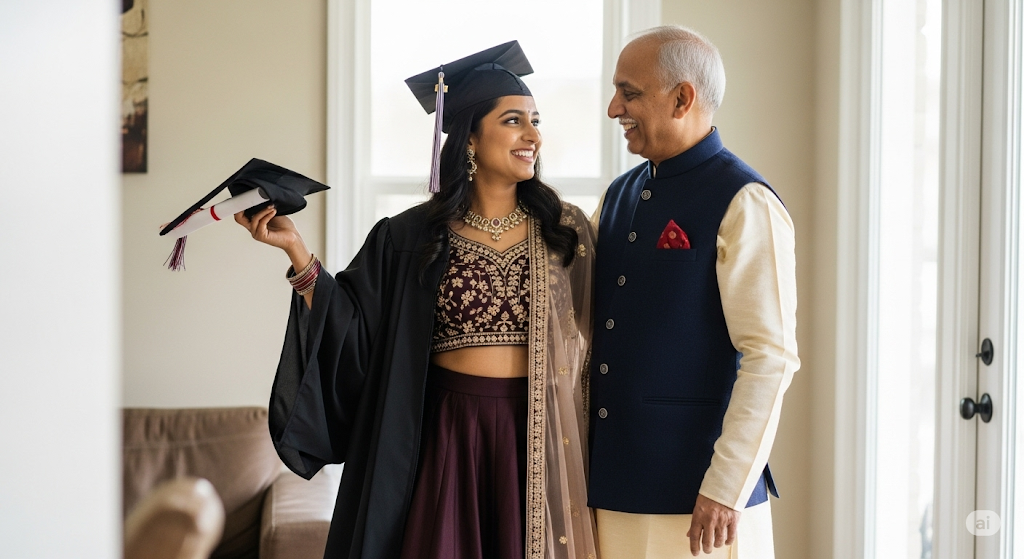
This milestone isn't just the student's. For many first-generation families, it's a moment of validation: "We did this together." The silent sacrifices—a missed family wedding back home, night shifts, unspoken loneliness—find joyful closure in that walk across the stage.
Reimagining the Tradition
Include elders in speeches or blessing moments.
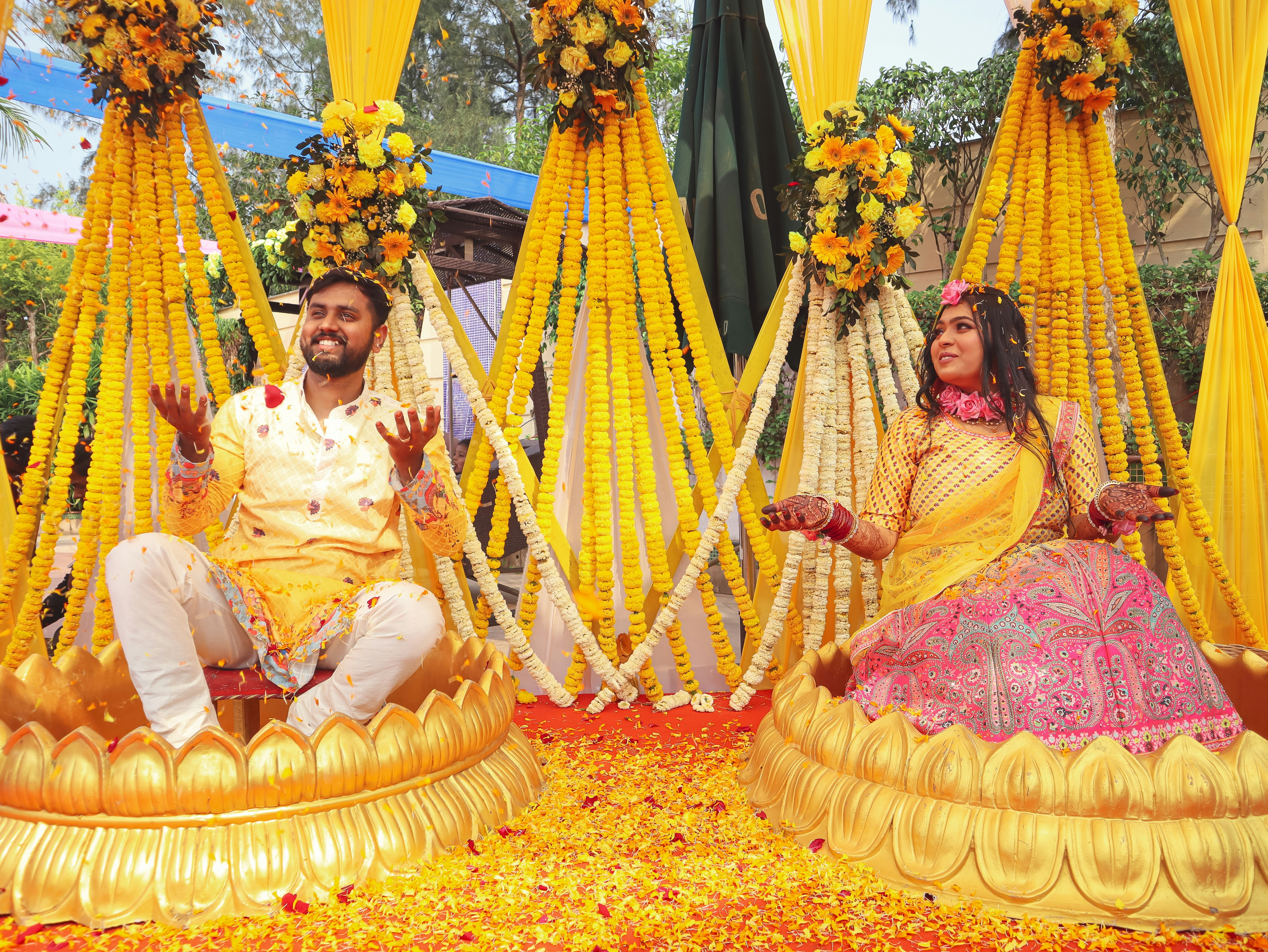
Create a graduation 'mandap' at home using marigold backdrops and symbolic items like diya or kalash.
Document an oral history: Let grandparents record messages to the graduate, passing down blessings and stories.
In doing so, graduation becomes a sacred rite of passage—one that honors the past while celebrating a bright, borderless future.