Create my Celebration
I am a Vendor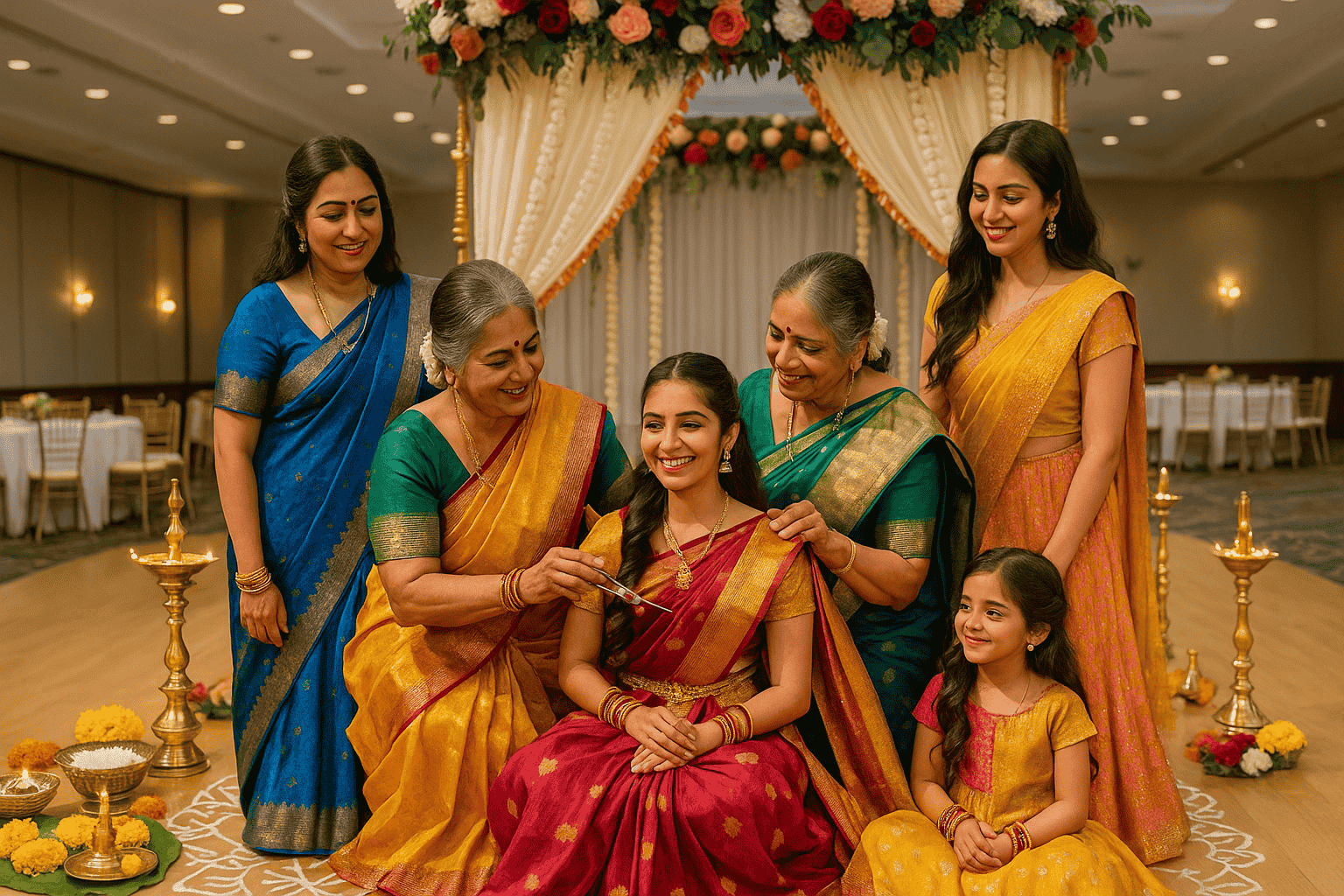
If this sounds familiar, you're not alone. Nearly every family planning a coming-of-age celebration—whether a half saree ceremony, sacred thread ritual, or modern Sweet 16 with cultural elements—faces this delicate dance between honoring tradition and staying true to their own values.
It's 2 AM, and you're lying awake again. Your daughter's half saree ceremony is in three months, and the family WhatsApp group is lighting up with "suggestions"—each one feeling more like a directive than advice. Grandmother wants the full traditional ceremony with 200 guests. Your mother-in-law has opinions about the specific shade of red. Your husband thinks the whole thing is "too much." And somewhere in the middle, you're trying to figure out what's right for your family.
When your 14-year-old daughter puts on that first half saree, she's not just wearing fabric. She's stepping into a legacy of strong women who've navigated change while staying rooted in their values. When your son receives his sacred thread, he's joining a conversation about responsibility and growth that's been happening for thousands of years.
The question isn't whether to honor tradition—it's how to honor it in a way that feels authentic to your family's story.
Most families approach ceremony planning backward. They start with logistics—dates, venues, guest lists—instead of starting with intention. Here are the conversations that actually matter:
Your teenager has a voice in this celebration, and ignoring it almost guarantees disaster. But "What do you want?" isn't the right question. Instead, try:
Listen for what they're not saying, too. If your daughter is excited about the half saree but anxious about the crowd, that tells you something. If your son is curious about the meaning behind the sacred thread but doesn't want a big ceremony, honor both feelings.
If you and your partner aren't aligned, everyone will sense it. Have the honest conversation about what this ceremony means to each of you. Maybe one of you grew up with elaborate celebrations while the other had simple family affairs. Maybe one of you is feeling pressure from extended family while the other wants to keep things low-key.
This is where it gets tricky. Extended family often carries deep emotional investment in these ceremonies—they represent continuity, cultural identity, and family pride. The key is acknowledging these feelings while maintaining your autonomy as parents.
"My mother-in-law wanted a 300-person half saree ceremony. I wanted 30 people max. We were heading for a disaster until my daughter spoke up. She said she wanted to feel like a princess, not perform like one. So we created two events: an intimate family ceremony at home with the meaningful rituals, and a larger celebration dinner the next week where she could wear her half saree again and everyone could see her. Both grandmothers felt honored, our daughter felt comfortable, and we stayed within our budget and values."
— Meera, mother of 15-year-old Ananya
What they're really saying: "I want this tradition to survive. I want my grandchild to understand where they come from."
What you can do: Focus on meaning, not just ritual. Invite them to share stories about their own coming-of-age experiences. Ask them to teach your child something specific—a traditional song, the significance of certain jewelry, family stories. Give them a special role that honors their knowledge without overwhelming your celebration.
What they're really saying: "This is important enough to invest in. Don't cut corners on something sacred."
What you can do: Separate must-haves from nice-to-haves. Maybe the half saree itself is non-negotiable, but the venue can be flexible. Maybe the priest and traditional elements are essential, but the catering can be simplified. Show that you're taking the ceremony seriously, just within your means.
What they're really saying: "I'm worried about losing our culture. I'm worried about what this says about our family's values."
What you can do: Show, don't just tell. If you're adapting traditions, explain why and how you're preserving the essence. If your daughter wants a contemporary half saree style, talk about how the draping ritual still connects her to generations of women. If you're having the sacred thread ceremony at home instead of the temple, emphasize the spiritual preparation and family involvement.
The goal isn't to make everyone happy—it's to create a celebration that feels true to your family while respecting the traditions that matter to your extended family. Here's how families are finding that balance:
Start with non-negotiables: What elements are essential for the ceremony to feel meaningful?
Offer choices, not ultimatums: "Would you prefer the ceremony at home or at the temple?" vs. "We're doing it at home." Honor different traditions: Include elements from both sides of the family when possible.
Document everything: Take photos and videos that capture both traditional moments and personal touches. Create new traditions: Start something unique to your family that future generations can build on.
Focus on education: Help your child understand the 'why' behind traditions, not just the 'what.'
We understand that each family's journey is unique. Our network includes vendors who specialize in modern adaptations of traditional ceremonies, whether you want intimate home celebrations or larger community gatherings. Because every first tells your family's evolving story, and we're here to help you tell it beautifully.
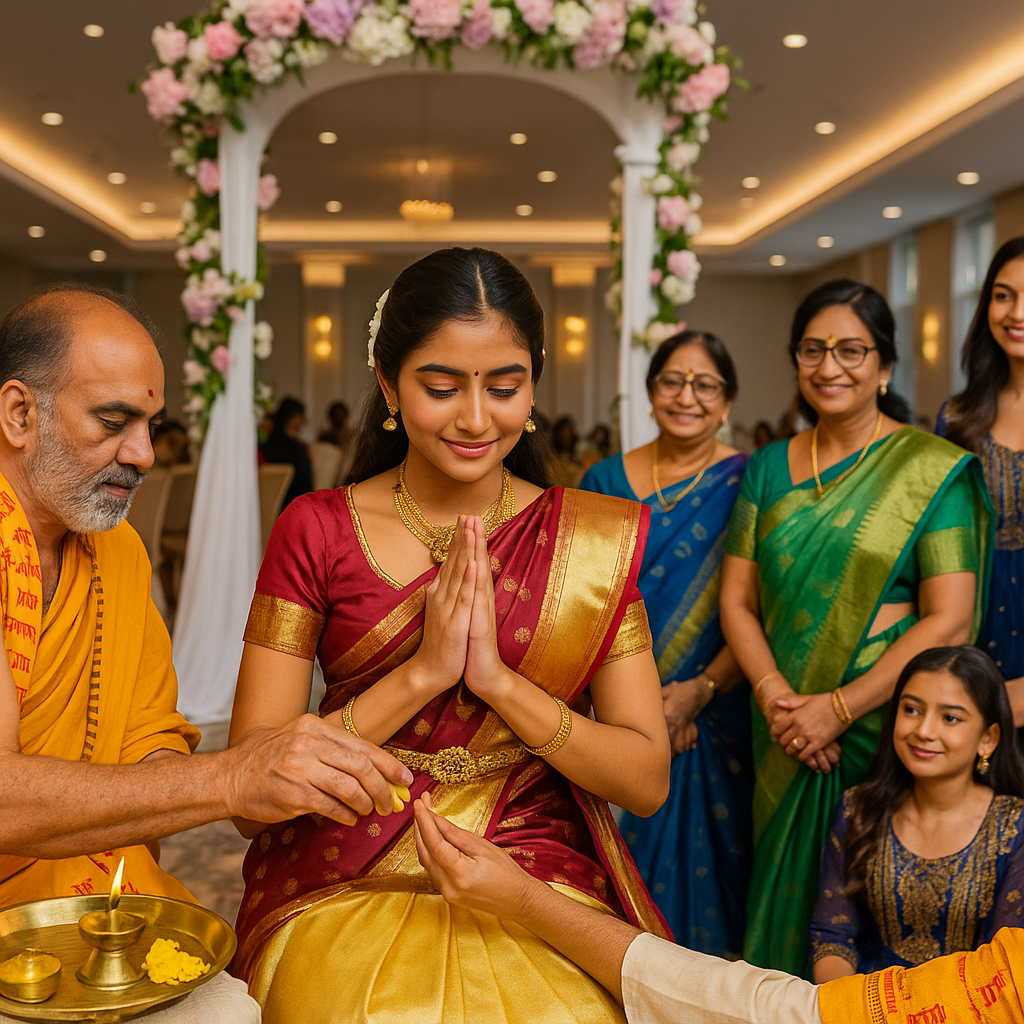
"The ceremony is one day. The values and connections you're creating will last a lifetime. Choose with that perspective, and you can't go wrong."
Connect with vendors who understand both tradition and modern family dynamics. Create a celebration that honors your heritage while staying true to your values.